Not Fit for Purpose: What to Do When Suppliers Don’t Do Their Job
![]()
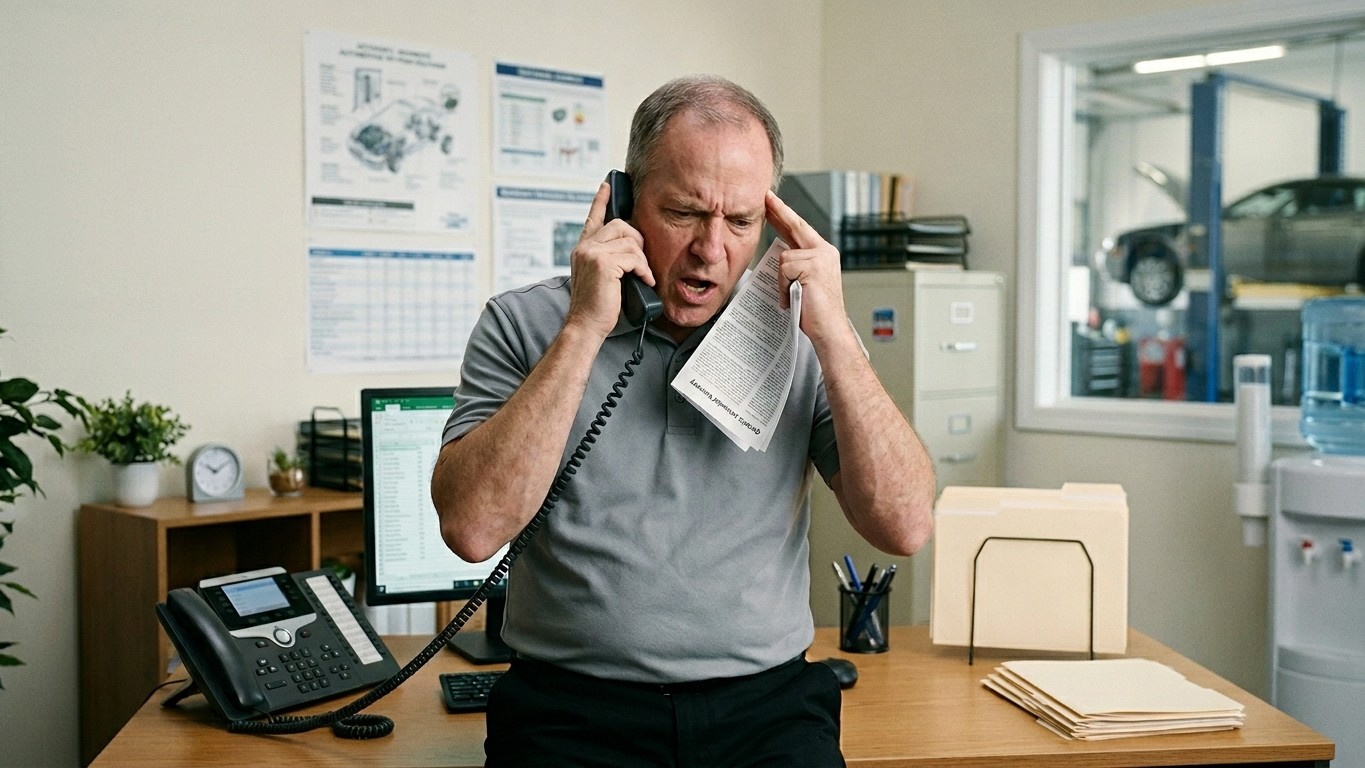
A common reality for repairers and dealers in the motor industry is the occasional need to outsource. Whether it is for a replacement part, a specific component, or a specialist job outside your usual scope of work, it is not always possible to resolve a vehicle problem on your own.
One of the more common enquiries we receive at MTA NSW Group is when a parts supplier, such as a small auto wreckers yard, small parts supplier or second-hand parts provider, does not do their job properly. When this happens, it is often the repairer who ends up footing the bill and dealing with an unhappy customer.
This often occurs when an agreement is made over the phone or by email, or after a quick trip to a wrecker to source a part.
While it is common for repairers or retailers to think the problem lies with the supplier or auto wrecker, the law as it currently stands will almost always place the onus back on you as the original repairer.
Unfortunately, unlike with consumers, the law does not provide an easy remedy in these situations. As a result, repairers need to take extra steps to give themselves legal protection and recourse where things go wrong.
What Do You Do? Get a Supply Contract
The motor industry still tends to operate on the idea of the “handshake agreement” when it comes to parts supply. The story is typical: you need a part quickly, you find a supplier, it works out, so you source from them again.
The problem is not when things go right, but when they go wrong. In relationships where supply is likely to be a regular occurrence, a short, properly drafted contract can mean the difference between a protracted legal battle with no guarantees and a supplier’s willingness to negotiate.
While it is not possible to cover every scenario and clause here, an overall supply agreement can include things such as:
- Agreed discount rates for continued business
- Timeframes for supply
- Credit arrangements and timeframes for payment of invoices
- Importantly, remedies for incorrect and/or damaged parts
How Does It Work Practically?
In most cases, except in some instances involving misleading and deceptive conduct, repairers do not have the benefit of NCAT like consumers do in business-to-business dealings. Therefore, options are generally limited to:
- Claiming a breach of contract through the courts, such as the Local Court or District Court
- Making a general claim of negligence through the courts
The problem is that, without a written agreement in place, a business seeking to rely on these claims bears the onus of proving things such as:
- An implied duty of care
- Breach of an unwritten contract, such as through emails and invoices
- Standards of negligence, including duty, breach and causation
While the above list is not exhaustive, these matters require time, effort and cost, including legal representation in most instances, with no real guarantee of success.
A written contract, while not an automatic guarantee of success, does give you:
- A stronger basis to seek these remedies
- Assistance in establishing a duty of care
- A mechanism for breach of contract that you can rely on
- A greater likelihood that parties will look to resolve an issue through mediation, rather than letting it proceed to court
Even where parts suppliers provide an invoice or warranty, these do not automatically provide the basis for action. Terms and conditions are critical to a claim, and these agreements may often include invalid or incorrect terms.
An ongoing contract, drafted correctly, can give both you and the supplier peace of mind, while also providing a buffer when things go wrong.
For a standard template that can be used in these circumstances, please contact the MTA NSW Group Legal Team by emailing [email protected].
For further assistance, the Legal Team can also provide MTA NSW Group members with advice and guidance on contracts and other legal matters relevant to their business.
< Back